A step-by-step guide to safely rebuilding your horse’s fitness with patience and care.
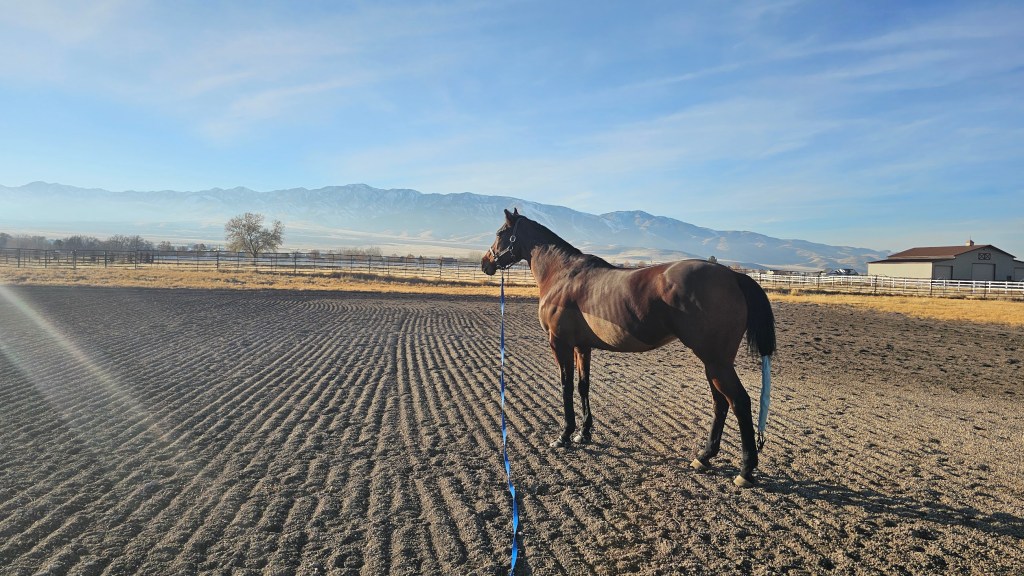
Bringing your horse back into work after a break—whether due to winter, injury, stall rest, or a busy life season—requires patience and care. It’s important to meet your horse where they are physically, considering their muscle condition, cardiovascular fitness, and any rehabilitation needs. Starting with short, simple sessions and slowly building intensity over time helps prevent strain and supports a healthy return.
Preparing for a Safe Return
Before starting any exercise, have your horse checked by a veterinarian, especially if they’ve been off due to injury or extended rest. This ensures they’re sound and ready to begin. Check tack fit, as body condition changes during rest can affect saddle and bridle comfort. Also, ensure hooves and teeth are in good shape to support their return to work.
Assessing Your Horse’s Fitness
Evaluate your horse’s current condition by observing muscle tone, particularly in the topline and hindquarters, which often weaken during rest. Check their weight, as changes can impact performance. A simple test is to walk them for 10 minutes and monitor breathing and movement. If they’re winded or show discomfort, start with shorter sessions. This helps you create a tailored plan.
Creating a Plan
Develop a plan with equal amounts of work and rest that aligns with your horse’s current physical condition and allows for gradual growth to return them to full work. For example, if your horse can walk for 10 minutes comfortably, incorporate short sessions of unmounted work with rest days in between to prevent overexertion. As they progress, slowly increase the duration and intensity, such as adding trot or canter, while maintaining regular rest days. A balanced plan might include three to four workdays per week with rest or light activity days in between, tailored to their fitness level and recovery needs. Regularly reassess their condition to adjust the plan, ensuring steady progress without pushing them too quickly.
Unmounted Work
Unmounted exercises are key to rebuilding fitness and confidence without the added weight of a rider. These activities strengthen muscles, improve coordination, and keep your horse mentally engaged. Start with these options, adjusting duration and intensity based on progress:
- Hand Walking: Lead your horse at a walk on a lead rope for 10-15 minutes, increasing to 20-30 minutes as stamina improves. This gentle exercise is ideal for horses fresh off rest or recovering from injury.
- Groundwork: Start by dabbling in groundwork during hand walking or lunging sessions, practicing exercises like leading, backing up, turning on the forehand or haunches, and yielding for 10-20 minutes. These build communication and engage the horse’s mind and body.
- Lunging: Work your horse in a circle on a lunge line, starting with 5-10 minutes at walk, then adding trot and canter as fitness improves. Keep sessions to 15-20 minutes with proper warm-up and cool-down. Lunging helps build balance and allows the handler to observe possible lameness or areas of muscle to improve on.
- Handwalking Over Poles: Lead your horse over ground poles at a walk to improve coordination and balance. Start with a few poles and gradually increase the number or height for added challenge. This is particularly helpful after injections to move the joint fully without strain.
- Trail Walks: Take your horse on walks outside the arena, like on trails or in fields, for 20-30 minutes. This provides mental stimulation and allows stretching on varied terrain.
Always watch for signs of fatigue or discomfort and adjust accordingly to prevent overexertion.
Transitioning to Mounted Work
Once your horse can handle a 30- to 45-minute unmounted session with at least 10 minutes of walk, 10 minutes of trot, and 10 minutes of canter, they’re likely ready for mounted work. This shows they have the strength and endurance to carry a rider. Begin with short riding sessions, around 10 minutes, focusing on walk to assess their response. Monitor for fatigue, discomfort, or reluctance, and adjust the workload as needed. Changes in your horse’s body, such as weight gain or muscle loss, can alter the fit of equipment, so it’s vital to ensure saddles and pads fit properly with their changing body. A poorly fitting saddle can cause discomfort or injury, so check fit regularly and consult a saddle fitter if needed. If you’re unsure about their readiness, consult a veterinarian.
Supporting Recovery with Nutrition
As activity increases, adjust your horse’s feed gradually to support energy needs and avoid digestive issues. A forage-based diet with adequate protein aids muscle repair. Monitor body condition to maintain a healthy weight, making small feed changes over days or weeks.
Keeping Workouts Engaging
Keep your horse interested with varied exercises. Alternate handwalking, lunging, and pole work to target different muscles and prevent boredom. Poles at walk, trot, or canter enhance coordination, especially during rehab. Hill walking or varied terrain builds strength. This variety helps spot stiffness or imbalances while making workouts fun.
Monitoring and Adjusting the Plan
Check your horse’s response to exercise regularly. Signs of fatigue, soreness, or lack of enthusiasm suggest a need for more rest or a vet check. Each horse progresses differently, so stay flexible and prioritize their well-being for a sustainable return.
Sample Weekly Schedule
Here’s a sample weekly plan to balance activity and rest:
| Day | Activity | Duration | Purpose |
| Sunday | Hand Walk | 20-30 minutes | Builds movement and relaxation |
| Monday | Day Off | – | Allows recovery and muscle repair |
| Tuesday | Lunge | 15-20 minutes | Improves fitness and balance |
| Wednesday | Day Off | – | Prevents overexertion |
| Thursday | Walk Over Poles | 15-20 minutes | Enhances coordination and mobility |
| Friday | Day Off | – | Supports physical and mental rest |
| Saturday | Hand Walk or Walk with Friends | 20-30 minutes | Encourages social interaction and movement |
This schedule is a starting point. As your horse progresses, increase durations or intensity, such as extending lunge sessions or adding trot work, guided by their feedback. Rest days are crucial to prevent overexertion and support recovery.
Final Thoughts
Returning your horse to work is a journey that requires patience and observation. By starting with a vet check, assessing fitness, creating a balanced plan, and progressing through unmounted and mounted work, you ensure a safe recovery. Variety, proper nutrition, and regular monitoring keep your horse engaged and healthy, setting them up for long-term success. If you need help with your horse, reach out, and we’d love to assist you on their healing journey!
 K&B Lessons
Leave a comment